








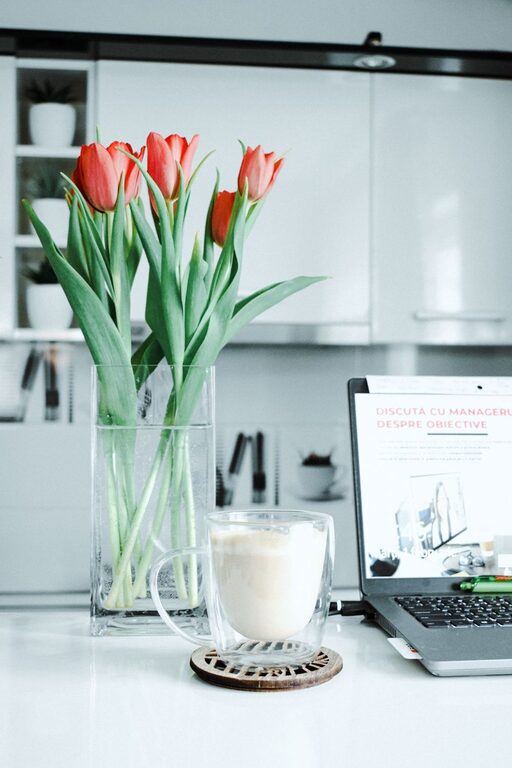
Creating a home workspace that feels relaxing and inviting can make a significant difference in your productivity and overall well-being. When your work area is comfortable and free from distraction, it’s easier to focus and get more done. Below, you’ll find practical tips to help you design a calm, organized space that supports your work routine.
1. Choose the Right Location
Selecting the best spot for your home workspace is the first step. Ideally, pick a quiet corner or room that receives plenty of natural light. A well-lit space helps reduce eye strain and boosts mood, making it easier to stay alert and positive throughout the day. Avoid high-traffic or noisy areas where interruptions are common.
2. Invest in Comfortable Furniture
Comfort is key when setting up a productive workspace. Invest in a good-quality desk and ergonomic chair that supports your posture. This not only prevents discomfort but also reduces fatigue during long working hours. Consider adjustable furniture to suit your height and working style.
3. Keep Your Workspace Organized
Clutter can be a major distraction and source of stress. Keep your desk neat by using organizers, shelves, or storage boxes to store supplies and documents. Regularly declutter to maintain a tidy environment. A clean workspace helps clear your mind and improve concentration.
4. Use Calming Colors and Decor
Colors influence our mood and energy levels. Soft, neutral tones like light blues, greens, or beige promote relaxation and focus. Personalize your space with decor that inspires you but avoid cluttering the area with too many items. Adding some plants can bring a touch of nature indoors and improve air quality.
5. Manage Lighting Effectively
Lighting plays a crucial role in how relaxed and attentive you feel. Combine natural light with adjustable task lighting like desk lamps. Avoid harsh fluorescent lights that cause strain or headaches. Position your light sources to minimize glare on screens or work surfaces.
6. Reduce Noise and Distractions
Noise can break your concentration and increase stress. Use noise-cancelling headphones or play gentle background music or white noise to mask disruptive sounds. Close doors or use room dividers if needed to create a quiet bubble for work.
7. Incorporate Break Spaces and Movement
Even in a small home, try to create a separate spot for short breaks. Stretching or stepping away from your desk helps reset your mind and reduces tension. Adding a small yoga mat, comfortable chair, or standing desk option encourages movement and improves energy.
8. Set Boundaries Between Work and Personal Life
To fully benefit from a relaxing workspace, set clear boundaries. Work only in your designated area to mentally separate work time from leisure time. This helps reduce burnout and supports a healthy work-life balance.
9. Use Technology Wisely
Keep your technology streamlined. Use high-quality cables, chargers, and peripherals to avoid frustration. Organize cords with clips or ties for a cleaner look. Limit unnecessary notifications or apps that can interrupt your workflow.
10. Personalize Your Space Thoughtfully
Adding a few meaningful items such as photos, inspirational quotes, or small art pieces can make your workspace feel welcoming and motivating. Choose items that uplift you without causing clutter or distraction.
—
Final Thoughts
Creating a relaxing home workspace is about balancing comfort, organization, and personal touches. These tips can help you build an environment that supports your productivity and well-being. Remember, the best workspace is one tailored to your needs and preferences, so feel free to experiment and adjust as you go.
By dedicating time to setting up your space thoughtfully, you’ll find it easier to focus, stay motivated, and enjoy your work-from-home routine.