








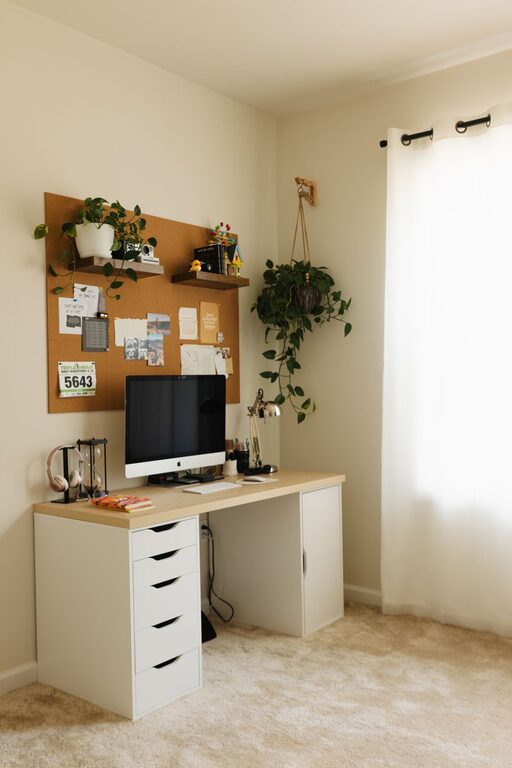
Creating a relaxing home workspace is more important than ever, especially as many people continue to work remotely. A workspace that feels calm and organized can help reduce stress and increase productivity. If you’re looking to improve your home office setup, this guide offers practical tips to design a relaxing environment where you can focus and work efficiently.
Why a Relaxing Workspace Matters
Your workspace greatly influences your mood, energy, and output. A cluttered, noisy, or poorly designed area can cause distractions and fatigue. On the other hand, a calming workspace reduces mental clutter and helps you stay motivated throughout the day. Creating a balance between comfort and functionality is key to boosting productivity.
Choose the Right Location
Find a Quiet Spot
Select a space in your home with minimal distractions. This could be a spare room, a corner of your bedroom, or even a nook near a window. The goal is to find a quiet area where you can focus without interruptions.
Use Natural Light
Whenever possible, position your desk near a window. Natural light helps regulate your body clock and can improve your mood. If natural light is limited, invest in good-quality artificial lighting that mimics daylight to keep you alert.
Optimize Your Furniture and Layout
Invest in an Ergonomic Chair and Desk
Comfort is crucial. Choose a chair that supports your lower back and encourages good posture. Your desk should allow your arms to rest at a natural angle while typing. Ergonomic furniture may feel like a worthwhile investment because it reduces physical strain during long work hours.
Keep Your Workspace Organized
A clean and organized desk prevents overwhelm. Use trays, drawers, or boxes to store your supplies. Only keep essentials within arm’s reach to maintain a tidy area.
Customize Your Environment
Choose Calming Colors
Colors affect mood. Soft, soothing tones like light blues, greens, or neutrals create a serene atmosphere. Avoid overly bright or intense colors that might cause distraction or agitation.
Add Personal Touches
Incorporate items that bring you joy and calm, such as a small plant, artwork, or family photos. Personal touches make the workspace inviting and increase your sense of well-being.
Manage Noise Levels
Use Headphones or White Noise
If outside noise is a problem, consider noise-canceling headphones or play white noise or calming music. These can help drown out distractions and create a peaceful work bubble.
Communicate Boundaries
If you live with others, set clear boundaries regarding your work time and space. This helps minimize interruptions and respects your need for focus.
Prioritize Air Quality and Comfort
Keep Your Workspace Well-Ventilated
Fresh air can improve concentration and reduce headaches. Open windows regularly or use an air purifier to maintain clean air.
Control Temperature and Humidity
Ensure your workspace temperature is comfortable—neither too hot nor too cold. A small fan or heater can help personalize your space based on your preferences.
Take Short Breaks to Refresh
Practice the Pomodoro Technique
Work in focused intervals (such as 25 minutes) followed by short breaks. This method helps maintain mental clarity and prevents burnout.
Stretch and Move
During breaks, stretch your body or take a short walk. Movement increases blood flow and helps release tension built up from sitting too long.
Organize Digital and Paperwork Clutter
Maintain a Digital Filing System
Organize your digital files with folders and clear naming conventions. This reduces time spent searching for documents and eases mental clutter.
Keep Your Paperwork Minimal
Only keep necessary paper documents on your desk. Use filing cabinets or binders to store other items neatly.
Use Technology Wisely
Utilize Task Management Tools
Apps like Trello, Todoist, or Google Keep help you track your work and deadlines without paper clutter.
Minimize Notifications
Turn off unnecessary notifications on your computer and phone to avoid constant distractions.
Final Thoughts
A relaxing home workspace is achievable with intentional choices in location, design, and organization. By prioritizing comfort and calmness, you create a space that supports your productivity and well-being. Try implementing these tips gradually and notice how a better environment can positively impact your workday.